Tag Archive : Asian American women’s history

Asian American Women’s History: Shining a Light on the Past

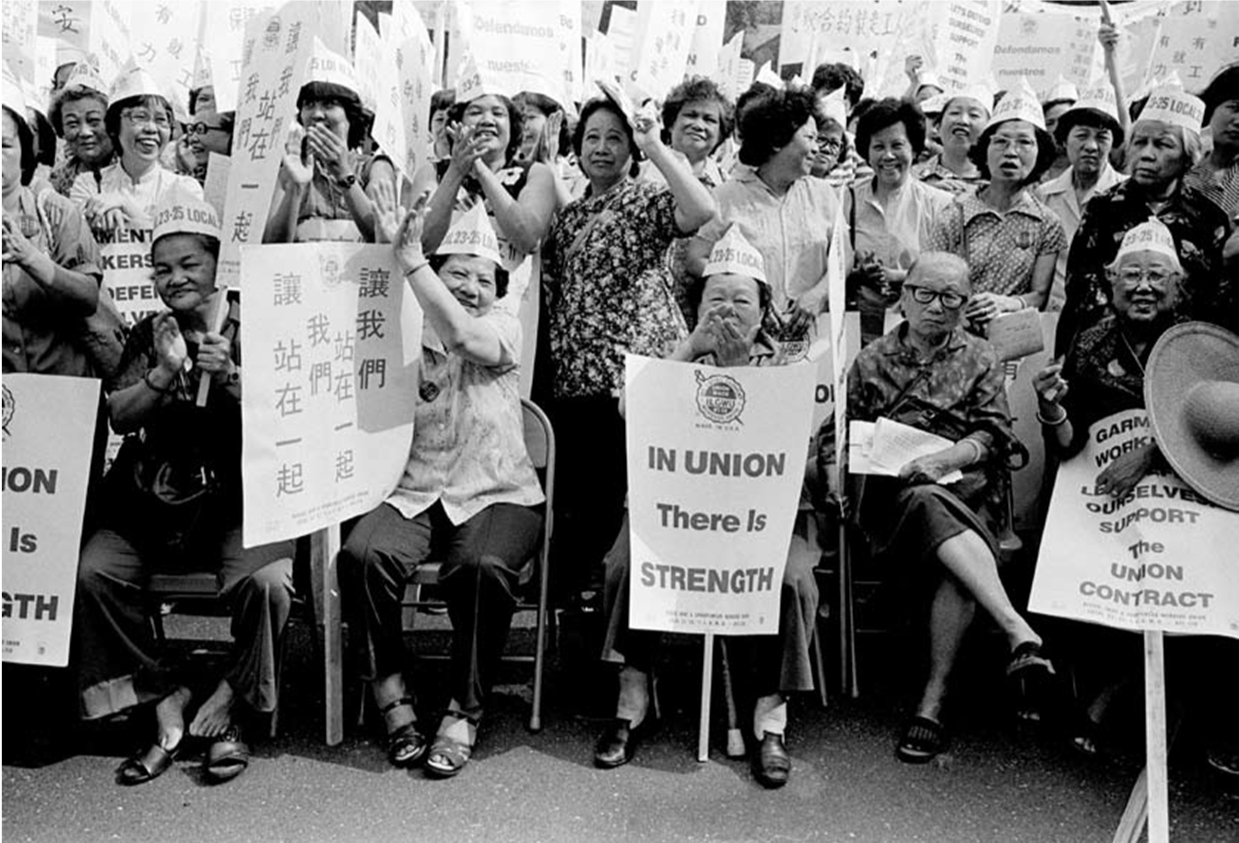
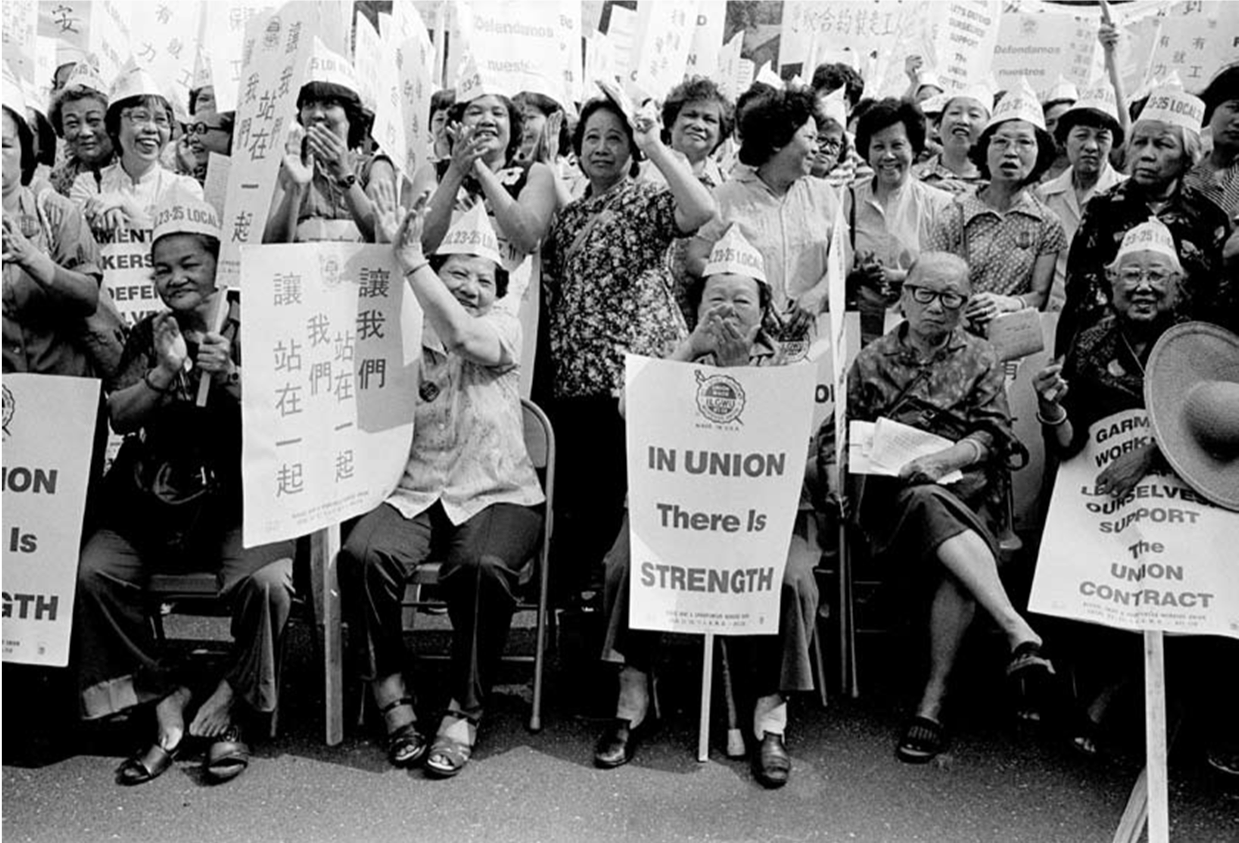
Asian American women’s history is a rich tapestry woven with stories of resilience, activism, and cultural contributions. This often overlooked narrative sheds light on the pivotal roles that Asian women have played throughout American history, despite their marginalization. From the courageous legal battles fought by Chinese American women in the 19th century to contemporary voices challenging societal norms, Asian American women’s contributions are a testament to their strength and tenacity. Institutions like the Schlesinger Library are working to unearth and highlight these narratives through exhibits that encourage a deeper understanding of Asian American culture and heritage. By acknowledging and learning from this history, we can gain a more inclusive view of American identity and the diverse forces that have shaped it over time.

The history of women of Asian descent in America offers a compelling insight into their struggles and triumphs. Feminine narratives within Asian communities have often been sidelined, yet they encompass a wealth of experiences and achievements that reflect the broader Asian American heritage. Exhibits, such as those found at the Schlesinger Library, present an opportunity to explore Asian women’s history, revealing their vital roles as activists, leaders, and cultural bearers. This exploration not only enriches our understanding of Asian American culture but also recognizes the intersectionality between gender and ethnicity in the fight for equality. As we delve into these stories, we uncover the profound impact of Asian American women on both historical and contemporary society.

Unveiling Asian American Women’s History

The Schlesinger Library’s latest exhibit, “Illuminate: Contextualizing Asian American Women’s Stories Through the Archives,” serves as a crucial platform for rediscovering the often overlooked narratives of Asian American women. This exhibit highlights artifacts that date back over 150 years, showcasing the complexities of their experiences. As voices of history gradually emerge from the shadows, we are reminded that the contributions of Asian American women extend far beyond the limitations historically placed upon them. This initiative not only seeks to narrate their stories but also urges a deep reflection on the broader Asian American culture and its significance in American history.

The collection features a range of items, including photographs of Ainu and Visayan women who were subjects of a living exhibit in the 1904 World’s Fair, revealing the unsettling history of objectification and cultural commodification. This rich tapestry of Asian women’s history invites us to explore the power dynamics and colonial narratives that shaped their portrayal. Importantly, this exhibit challenges current perceptions of Asian American heritage, pushing us to reconsider the contributions and roles of Asian American women throughout history.

The Role of Education in Archiving Asian American Narratives

In an innovative educational approach, the Schlesinger Library partnered with students to co-create a deeper understanding of Asian American women’s narratives. The undergraduate course titled “Asian American Women’s History in the Schlesinger Library” was designed to equip students with the tools necessary to uncover stories that have long been relegated to obscurity. This collaborative model emphasizes the importance of critical engagement with historical materials, allowing students to actively participate in the preservation and interpretation of Asian American women’s history.

Through the analysis of archival materials, students like Sophia Wang explored pivotal moments in legal history that involved Asian American women. The case of Ah Fong, a Chinese woman who fought for her rights in a landmark legal battle, exemplifies the bravery and determination of women who navigated systemic injustices even when their stories were not documented. This academic endeavor highlights the vital role of education in recognizing and amplifying Asian American women’s contributions, thereby creating a more inclusive view of history.

Cultural Representation in Asian American Archives

Cultural representation plays a crucial role in understanding the impact of Asian American women’s contributions throughout history. The Schlesinger exhibit carefully curates artifacts that not only narrate individual stories but also reflect the collective experiences of Asian American communities. From political posters to comic books, the exhibit uses diverse media to illuminate the voices of women who have shaped Asian American culture across generations. This multimedia approach enriches the narrative, allowing for various facets of identity and struggle to be understood within the context of broader social movements.

The presence of contemporary artworks, such as those by Shaina Lu, adds another layer of meaning to the exhibit. By integrating modern artistic interpretations alongside archival materials, the Schlesinger Library bridges the past and the present, encouraging visitors to engage with these historical narratives creatively. Such representations underscore the ongoing relevance of Asian American women’s experiences, fostering a deeper appreciation for their enduring influence on social justice movements in the United States.

Empowering Asian American Women through Archiving

The act of archiving is an empowering tool for Asian American women, allowing them to reclaim their narratives and assert their positions within historical discourse. The Schlesinger Library’s initiative not only catalogs these stories but also honors the resilience and agency of women who have often been silenced. By archiving their contributions, these efforts seek to correct historical omissions and address the broader societal impacts of invisibility faced by Asian American women in both past and present contexts.

Moreover, the collaboration between students and archivists highlights an essential educational pathway for future generations to engage with their heritage. By participating in the research and preservation of these stories, students begin to understand the significance of Asian American women’s roles in shaping both cultural and political landscapes. This groundwork lays the foundation for a future where Asian women’s history is valued and recognized, encouraging ongoing dialogue and activism within Asian American communities.

Highlighting the Legacy of Asian American Women Activists

Throughout history, Asian American women have been at the forefront of activism and social change, a legacy that the Schlesinger Library aims to highlight through its collections. The exhibit draws attention to how these women participated in justice movements, from labor rights to civil rights, showcasing their significant yet often unrecognized efforts. By elevating the voices of Asian American women activists, the exhibit offers a comprehensive view of their contributions to American social justice movements, reinforcing their place in both Asian American culture and American history.

Local artists and historians celebrate this legacy by showcasing how Asian American women have used art and activism as tools for resistance and empowerment. For instance, Shaina Lu’s artwork reflects the spirit of those who bravely stood up against inequality and injustice. This artistic representation not only reinforces their historical significance but also serves as an inspiration for current and future activism, encouraging new generations to engage with causes that enhance both Asian American heritage and broader human rights.

Contextualizing Minority Narratives in American History

The exhibit at the Schlesinger Library serves as a critical reminder of how minority narratives, particularly those of Asian American women, have been marginalized in mainstream historical accounts. By situating their stories within the context of major historical events, such as the Chinese Exclusion Act and Japanese American internment, the exhibit highlights the intersections of race, gender, and immigration. Understanding this context is essential for recognizing how deeply intertwined these experiences are with the fabric of American history as a whole.

Furthermore, as visitors engage with these narratives, it becomes evident that acknowledging and including diverse perspectives is essential in reshaping our understanding of American history. The exhibit not only fosters awareness of Asian American women’s contributions but also challenges visitors to confront the systemic erasure of their stories. This consciousness-raising is crucial for promoting a more inclusive historical narrative, one that recognizes the integral role these women played in shaping contemporary society.

The Intersection of Education and Archival Research

The intersection of education and archival research is pivotal in broadening the narrative scope of Asian American women’s history. As students dive into the archives, they discover the richness of these stories and the importance of preserving them for future generations. The Schlesinger Library serves as a foundational site for this research, where education becomes an active pursuit of understanding and empathy. It cultivates a sense of responsibility among students to honor those whose voices have been often overlooked, fostering a deeper appreciation for their challenges and achievements.

Moreover, this educational approach aligns with the current calls for diversification in curricula across academic institutions. By prioritizing Asian women’s history and narrative through the lens of archival research, it advocates for a re-examination of traditional histories that have been predominantly Eurocentric. Empowering students to engage directly with these materials actively transforms the learners into advocates for equity in historical scholarship, bridging the gap between past and present.

The Continuing Struggle Against Erasure

The exhibit sheds light on the continuing struggle against the erasure of Asian American women from both historical and contemporary narratives. In exploring the archival lives of women like Ah Fong, students confront the reality that many Asian American voices have been systematically excluded from the mainstream historical discourse. This awareness is essential in addressing both past injustices and the ongoing neglect of these stories in today’s collective memory.

Recognizing this struggle is particularly vital in light of contemporary issues related to anti-Asian violence and discrimination that have surged during the COVID-19 pandemic. By foregrounding Asian American women’s experiences within this context, the exhibit challenges society to rethink how narratives are constructed and who is allowed to narrate them. Ultimately, this ongoing dialogue about representation is crucial for fostering a more just and inclusive society for all.

Art as a Means of Reflection and Representation

Art serves as a powerful medium for reflection and representation of Asian American women’s experiences, and this is vividly illustrated in the Schlesinger Library exhibit. By commissioning artists like Shaina Lu, the library emphasizes that art can transcend mere documentation; it can evoke emotions, provoke thoughts, and inspire movements. Through her translucent installations, Lu not only brings life to the archives but also invites viewers to engage with the stories on a deeper, more personal level.

This artistic approach enriches the understanding of Asian American women’s contributions to culture and society. It acts as a form of storytelling that honors those who have been objectified throughout history while simultaneously celebrating their resilience. By merging art with archival research, the exhibit creates a multifaceted narrative that continues to resonate with audiences, fostering a connection between past struggles and present realities.

Frequently Asked Questions

What is the significance of Schlesinger Library exhibits in Asian American women’s history?

The Schlesinger Library exhibits play a crucial role in Asian American women’s history by showcasing the often overlooked narratives and contributions of Asian American women over the past 150 years. This visibility helps to challenge the marginalization of their stories and enlightens audiences about their roles in American society.

How does the ‘Illuminate’ exhibit contextualize Asian American women’s contributions?

The ‘Illuminate’ exhibit at the Schlesinger Library contextualizes Asian American women’s contributions by displaying a diverse array of artifacts, such as photographs, political posters, and zines. These materials connect the experiences of Asian American women to significant historical events like the Chinese Exclusion Act and the Civil Rights Movement, thus enriching our understanding of their role in American history.

What can we learn about Asian American women’s heritage from the new exhibit?

The new exhibit sheds light on Asian American women’s heritage by revealing their longstanding presence and activism in American history. Through personal artifacts and stories, the exhibit encourages viewers to reconsider assumptions about their roles and the impact they have had on shaping American culture and society.

Why are Asian American women’s stories often invisible in the historical narrative?

Asian American women’s stories are often invisible in the historical narrative due to various factors, including their limited population representation and the tendency for their contributions to be marginalized or overlooked in traditional archival collections. The Schlesinger Library aims to address this issue by uncovering and celebrating their vital roles in history.

What impact did the 1904 World’s Fair have on the portrayal of Asian women in history?

The 1904 World’s Fair significantly impacted the portrayal of Asian women in history by showcasing them as ‘living exhibits,’ often reducing their identities to mere objects of curiosity. This commodification has led to the erasure and misrepresentation of their true stories, which contemporary scholars, like those at the Schlesinger Library, are now striving to rectify.

How does the Schlesinger Library support the study of Asian women history?

The Schlesinger Library supports the study of Asian women history by providing access to a rich archive of original documents, personal narratives, and scholarly collections that highlight the significant contributions of Asian American women. Additionally, collaborative educational programs, like the co-taught course on Asian American women’s history, foster research and engagement with these narratives.

In what ways are Asian American women at the forefront of justice movements?

Asian American women have been at the forefront of justice movements in various ways, including organizing against racism, advocating for immigrant rights, and participating in civil rights activism. Local artists and activists have emphasized that their contributions are essential to understanding the broader landscape of social justice in America.

What role did Asian American women play in legal advocacy historically?

Historically, Asian American women have played crucial roles in legal advocacy, as exemplified by the case of Ah Fong, who fought against unjust detainment at the Port of San Francisco. Their efforts often laid the groundwork for future legal precedents, influencing significant Supreme Court rulings on immigration and civil rights.

How does the exhibit challenge the traditional narratives of American history?

The exhibit challenges traditional narratives of American history by integrating the stories of Asian American women who have often been sidelined. By presenting their contributions within the wider context of American events, the exhibit advocates for a more inclusive understanding of how diverse experiences shape our collective history.

What can educators do to promote awareness of Asian American women’s history?

Educators can promote awareness of Asian American women’s history by integrating resources from exhibits like the Schlesinger Library into their curricula, encouraging discussions about representation and equity, and facilitating student-led projects that explore the contributions and experiences of Asian American women throughout history.

Key Point Details
Schlesinger Exhibit The exhibit focuses on Asian American women’s often overlooked narratives in history.
Historical Artifacts Includes photographs of Ainu and Visayan women from the 1904 St. Louis World’s Fair, which underlines their marginalization.
Research Collaboration Developed alongside a course on Asian American Women’s History, emphasizing student involvement in uncovering stories.
Focus on Erasure Students analyzed the erasure of Asian American women from historical narratives.
Contemporary Narratives Modern collections showcase Asian American women’s voices, contrasting with earlier silencing.
Legal Pioneers Ah Fong’s court case highlighted the struggles and resilience of Asian American women.
Integration of Art Artwork by Shaina Lu aims to illuminate the historical narratives of Asian American women.
Exhibit Significance The exhibit invites a reconsideration of American history through the lens of Asian American women’s contributions.

Summary

Asian American women’s history is rich and diverse, yet often remains underrepresented in mainstream narratives. The Schlesinger Library’s recent exhibit, ‘Illuminate: Contextualizing Asian American Women’s Stories Through the Archives,’ sheds light on this largely invisible past, illustrating the significant yet overlooked roles that Asian American women have played in shaping American history. Through a blend of historical artifacts, collaborative research, and contemporary artistic expressions, the exhibit encourages a reevaluation of the contributions and experiences of Asian American women, highlighting their resilience and the importance of their narratives in the broader context of U.S. history.
Asian American Women’s History: Schlesinger Library Exhibit

Asian American women’s history is a crucial yet often overlooked aspect of the broader narrative of American history. Exhibitions like the one at the Schlesinger Library, titled “Illuminate: Contextualizing Asian American Women’s Stories Through the Archives,” shed light on these marginalized voices, showcasing artifacts that span over 150 years. From the haunting images of Ainu and Visayan women at the 1904 St. Louis World’s Fair to the personal stories of legal pioneers such as Ah Fong, this exhibit invites us to reflect on the complex cultural representation of Asian American women. By delving into historical archives, the exhibit not only reclaims these narratives but also challenges us to question why these stories have remained largely invisible for so long. Through such initiatives, the tapestry of Asian women’s stories is woven into the fabric of American history, highlighting their significant contributions and cultural legacies.

The exploration of Asian women’s narratives represents a rich and often neglected segment of the American historical landscape. Recent exhibitions, like the Schlesinger Library showcase, provide an illuminating glimpse into the lives and struggles of these women, whose experiences have frequently been overshadowed. The diversity of stories, from early legal battles to contemporary cultural expressions, underscores the importance of recognizing their roles in shaping history. By examining the cultural representation of Asian American women through various mediums, we can begin to appreciate the depth and complexity of their contributions. Engaging with these narratives not only honors their legacy but also enriches our understanding of the diverse threads that compose the American story.

Unveiling Asian American Women’s History

The Schlesinger Library’s exhibit titled “Illuminate: Contextualizing Asian American Women’s Stories Through the Archives” highlights the often marginalized history of Asian American women. This pivotal exhibition challenges our understanding of history by featuring artifacts and narratives that span over 150 years, revealing how these women have been sidelined in dominant historical discourses. The curator, Victor Betts, emphasizes that Asian American history, while significant, is frequently considered invisible, pushed to the margins of public awareness. By spotlighting underrepresented voices and forgotten stories, the exhibit aims to fill the gaps in historical records that often leave Asian American women unrecognized.

Through classroom collaboration and extensive archival research, students have gained an insightful perspective on how Asian American women’s narratives are presented, or omitted, in traditional histories. This journey led them to delve into their own cultural backgrounds and identify parallels with the African American women’s experiences. By scrutinizing historical injustices, such as the implicit colonial hierarchies present in artifacts from the 1904 World’s Fair, they are encouraged to critically assess the broader implications of erasure and visibility in historical documentation.

Cultural Representation in Historical Archives

Cultural representation plays a central role in how historical archives curate the stories of marginalized communities. In the case of Asian American women’s history, the Schlesinger Library’s focus on bringing forward these narratives shines a light on the importance of representation in creating a comprehensive understanding of American history. The archival materials, such as photos and documents from diverse Asian American backgrounds, are integral in reconstructing the narratives that have been historically neglected. As showcased in the exhibition, these items help contextualize the lives of Asian American women, portraying their resilience, struggles, and contributions to society.

Moreover, the exhibit serves as a reminder that cultural representation isn’t merely about visibility; it’s about authenticity and ownership of narratives. The juxtaposition of modern-day stories, such as those from culinary icons like Grace Zia Chu and Madhur Jaffrey, with historical accounts emphasizes the evolution of Asian American women’s roles over time. It raises crucial questions about who gets to tell these stories and how they shape our collective memory. By articulating the richness of Asian women’s stories, the Schlesinger Library challenges visitors to consider the implications of their historical absence and the ways in which reclaiming these narratives can empower future generations.

The Educational Impact of Archival Research

Educational initiatives, such as the course co-taught by Betts and Erika Lee, exemplify the benefits of engaging students with historical archives. By immersing them in the study of Asian American women’s history, these students gain invaluable insights into the complexities of identity, culture, and historical narrative construction. This hands-on approach to learning not only instills a deeper appreciation for archival materials but also fosters critical thinking about the narratives that shape our understanding of the past. The students’ ability to connect personal histories with larger societal trends demonstrates the transformative power of education in illuminating neglected histories.

Furthermore, this educational model encourages students to engage with the historical continuum of Asian American women’s experiences, bridging gaps in historical documentation and fostering a sense of community and belonging. As they uncover the stories of individuals like Ah Fong, a Chinese woman involved in a landmark legal case, students are empowered to question and redefine the narratives surrounding Asian American identity. This impact reaches beyond the classroom, inspiring them to become advocates for a more inclusive historical discourse that acknowledges the vital contributions of Asian American women to the fabric of American society.

Exploring Erasure and Visibility in History

The theme of erasure is poignantly explored in the Schlesinger Library’s exhibition, which confronts the invisibility of Asian American women’s stories in mainstream historical narratives. Historical erasure signifies the deliberate omission of certain individuals or groups from collective memory, often perpetuating stereotypes and misunderstandings. Students participating in the exhibit’s development are tasked with identifying these gaps, pushing them to investigate the reasons behind such erasure. The exploration of why these women’s stories were sidelined offers critical insights into the societal structures that influence historical documentation.

In contrast, the exhibition also emphasizes the moments of visibility achieved by Asian American women throughout history. By showcasing their stories through various mediums, from political posters to personal artifacts, the exhibit not only rectifies historical neglect but also celebrates resilience. This duality of erasure and visibility compels visitors to recognize the ongoing need for inclusion in historical discourse. Understanding these dynamics not only enriches the narratives of Asian American women but also enhances our appreciation of their significant roles in shaping the broader cultural landscape of America.

The Role of Art in Historical Narratives

Art serves as a powerful vehicle for storytelling and cultural representation, illustrated by the commissioned works included in the Schlesinger exhibition. Artist Shaina Lu’s translucent illustrations provide an innovative way to engage viewers, allowing light to interact with the artworks and the archival materials. This interplay not only enhances the aesthetic experience but also invites reflection on the darker parts of history that have been illuminated through the lives of Asian American women. Art, in this context, becomes a conduit for dialogue around identity, visibility, and the reclamation of neglected narratives.

Moreover, the integration of contemporary art within historical exhibits underscores the relevance of these stories in today’s cultural discussions. As art interprets and responds to historical context, it invites viewers to connect emotionally with the experiences of Asian American women throughout history. By engaging with both visual and textual narratives, audiences are encouraged to envision a future wherein the contributions of these women are acknowledged and valued. Therefore, the role of art extends beyond decoration; it becomes a crucial element in the ongoing dialogue of cultural representation and historical accountability.

Bridging Past and Present Through Archival Research

Bridging the past and present is a fundamental objective of the Schlesinger Library’s efforts to document Asian American women’s histories. By engaging in archival research, students and historians alike gain access to valuable insights into the lived experiences of women who have shaped their communities over generations. The juxtaposition of historical events with contemporary narratives not only highlights the continuity of struggles faced by Asian American women but also showcases their evolving roles in society. This connection between past and present is essential in fostering a deeper understanding of current issues relating to gender, race, and representation.

Through the lens of archival research, it becomes evident that the stories of Asian American women are not isolated events but are part of a larger narrative that weaves through American history. As students uncover these narratives, they learn to appreciate the intricate relationships between various movements and the voices that have historically empowered change. Ultimately, this approach encourages a reevaluation of how history is taught and understood, prompting a collective call for more inclusive storytelling that honors the contributions of all individuals.

The Future of Asian American Women’s Histories

Looking towards the future, the preservation and celebration of Asian American women’s histories remain vital components of cultural education and awareness. The Schlesinger Library’s ongoing efforts to expand its collection of materials related to Asian American women underscore the importance of documenting these histories for future generations. As more individuals engage with these archives, there is a growing recognition of the need to amplify the voices of those who have been silenced throughout history. This proactive approach to archiving aims to ensure that the contributions of Asian American women are not only preserved but also celebrated in an inclusive historical narrative.

In addition, the impact of educational initiatives, like those implemented at the Schlesinger Library, will shape how future scholars and students approach Asian American women’s histories. By fostering an environment that values diverse perspectives and critical engagement with historical narratives, a more equitable understanding of American history can emerge. The future holds the potential for a richer appreciation of the roles Asian American women have played in shaping cultural dialogue and social change, ultimately reaffirming that their stories are integral to the broader tapestry of American identity.

Confronting Anti-Asian Violence Through Historical Context

The exhibition also brings attention to the issue of anti-Asian violence, illustrating how the historical experiences of Asian American women intersect with contemporary social issues. By placing archival materials within the context of significant events such as the Chinese Exclusion Act and Japanese American internment, visitors are prompted to consider the historical roots of discrimination and violence faced by Asian communities. This contextualization serves to deepen the understanding of current events and emphasizes the continuation of historic patterns of marginalization.

Confronting such painful aspects of history can be challenging but is crucial for fostering empathy and social change. The direct connection between past injustices and present experiences underlines the importance of acknowledging these histories in order to counteract current societal attitudes. By exploring the stories of those affected and engaging in dialogue around anti-Asian violence, the Schlesinger Library’s exhibition aims to empower audiences to advocate for justice and equity, reinforcing that understanding our past is essential to shaping a better future.

Empowerment Through Storytelling

Empowerment through storytelling is a central theme within the context of Asian American women’s histories showcased in the Schlesinger Library’s exhibition. By bringing to light the narratives of individuals who have historically been undermined, the exhibit serves not only to educate but also to inspire resilience and agency. Each story highlighted in the exhibition acts as a testament to the strength of Asian American women, underscoring their pivotal roles in society despite systemic barriers and erasure. This act of lifting their voices invites a reexamination of the traditional narratives that dominate history, paving the way for a more inclusive understanding of cultural contributions.

Moreover, storytelling becomes a tool for advocacy and social change, particularly as audiences are encouraged to reflect on their own assumptions and biases. The exhibition promotes the idea that sharing one’s story can be a powerful way to challenge stereotypes and dismantle the frameworks of erasure that have long persisted. By empowering individuals to recognize and uplift marginalized voices, the Schlesinger Library actively contributes to a broader movement toward achieving representation and justice for Asian American women, ensuring that their stories are an integral part of our collective history.

Frequently Asked Questions

What is the Schlesinger Library exhibit focusing on Asian American women’s history?

The Schlesinger Library exhibit titled “Illuminate: Contextualizing Asian American Women’s Stories Through the Archives” showcases the often overlooked contributions and experiences of Asian American women. It features various artifacts, including photographs and archival materials, that span 150 years of history, highlighting the need for a deeper understanding of their roles and stories in American history.

How does the Schlesinger Library collect Asian American women’s historical archives?

The Schlesinger Library collects Asian American women’s historical archives by collaborating with students and scholars to uncover and preserve their stories. This involves researching historical documents, such as court cases and personal collections, to highlight the contributions of Asian American women throughout U.S. history, many of whom have been marginalized or forgotten.

Why is cultural representation important in understanding Asian American women’s history?

Cultural representation is crucial in understanding Asian American women’s history because it allows their voices and narratives to be heard, challenging the invisibility and erasure of their experiences. The Schlesinger Library exhibit, for example, aims to shine a light on these stories, facilitating a more inclusive narrative of American history that reflects the diversity of its population.

What are some notable stories of Asian American women highlighted in the Schlesinger Library exhibit?

Notable stories highlighted in the Schlesinger Library exhibit include the legal battles of Ah Fong, a Chinese woman who filed writs of habeas corpus in 1874, and the experiences of Ainu and Visayan women displayed at the 1904 St. Louis World’s Fair. These accounts underscore the historical significance of Asian American women’s struggles and achievements.

How does the exhibit ‘Illuminate’ challenge assumptions about Asian American women’s roles in history?

The exhibit ‘Illuminate’ challenges assumptions by inviting viewers to examine the historical narratives that have excluded Asian American women. It encourages critical reflection on how these women’s stories have been both marginalized and hypervisible, promoting a deeper understanding of their impact within broader social movements and U.S. history.

What role do artists play in the Schlesinger Library’s focusing on Asian American women’s history?

Artists play a significant role in the Schlesinger Library’s focus on Asian American women’s history by providing creative interpretations of archival materials. For example, the exhibit features artwork by artist Shaina Lu, whose translucent illustrations enhance the storytelling aspect of the exhibit, highlighting the historical context of Asian American women’s contributions.

Why is it important to include Asian American women’s stories in American history?

Including Asian American women’s stories in American history is vital because it enriches our understanding of the nation’s past. Asian American women have played pivotal roles across various social and political movements. Their contributions deserve the same recognition as those of other groups, ensuring a more complete and accurate portrayal of U.S. history.

Key Points Details
Exhibition Title Illuminate: Contextualizing Asian American Women’s Stories Through the Archives
Focus Revisiting the often overlooked history and contributions of Asian American women
Historical Context Showcases artifacts and stories spanning over 150 years, including rare photographs from the 1904 World’s Fair
Educational Component Developed alongside the undergraduate course ‘Asian American Women’s History in the Schlesinger Library’
Significant Individuals Features stories of women like Ah Fong and artists such as Grace Zia Chu and Madhur Jaffrey
Cultural Impact Explores how Asian American women have been historically marginalized and hyper-visible simultaneously
Artistic Contribution Incorporates commissioned artwork by Shaina Lu to enhance visitor experience
Future Prospects Efforts to expand collections of Asian and Asian American women’s materials and highlight unexplored narratives

Summary

Asian American women’s history is a crucial yet often overlooked facet of American heritage. The recent Schlesinger Library exhibition, ‘Illuminate,’ not only showcases the stories of influential Asian American women but also challenges viewers to reconsider their understanding of this rich history. By highlighting artifacts and narratives from the past and connecting them to current social movements, the exhibition aims to bring visibility to the contributions and struggles of Asian American women, thus enriching the broader tapestry of American history.


hacklink al organik hit 메이저놀이터pornobahis siteleritipobetgift card malldizipalVbetHoliganbetAjaxbetbetcihacklinkhacklinktipobet girişcasibom1xbet girişmeritkingjustintvtaraftariummeritkingtaraftariumselcuksportscasibom girişcasibomtaraftarium24selcuksportsmeritkingbets10mavibetbetofficemavibetCasibomcasibomholiganbet girişroyalbetcasibomSohbet odalarıcasibom